

Reviews - Regional News | Connecting Wellington

Reviews

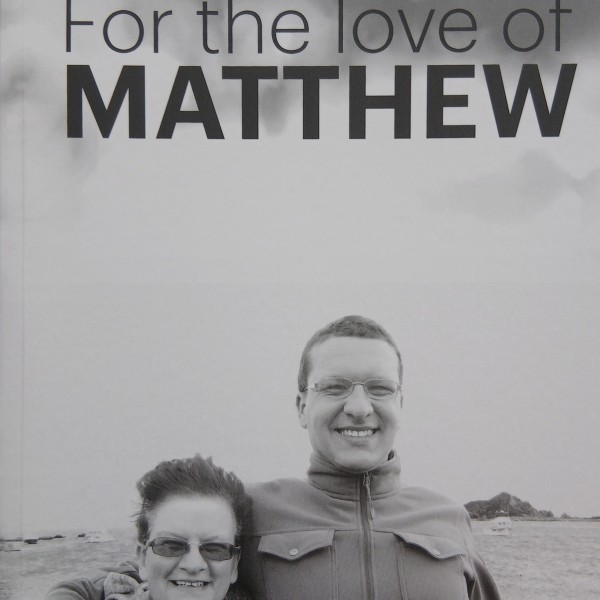
For the Love of Matthew | Regional News

For the Love of Matthew

Written by: Maria Di Leva

Altomare Publishing

Reviewed by: Jo Lucre

For the Love of Matthew is one mother’s story about her son Matthew. Maria Di Leva says she wants it to give hope to other parents out there who may be raising a child with special needs. In her memoir, Di Leva recounts Matthew’s story, from his early childhood right through to the 30-year-old man he is today.

What strikes me most is Di Leva’s heartfelt and deeply personal reflections of her journey as Matthew’s mother, as his friend, advocate, and lifelong champion. She gives an honest and unwavering account of Matthew’s life, from the life-changing diagnosis he received as a young child of severe autism with ADHD, to the independent, flourishing son she and his wider family know him as today.

In For the Love of Matthew, a strong and insightful Di Leva explores Matthew’s potential every step of way, whether navigating the school years, a time on medication, or different plans and strategies – like supporting him to catch the bus on his own, which consistently and importantly grew Matthew’s independence and widened his opportunities.

It is very apparent throughout the book that Matthew is part of a tight-knit family and peer group. It is especially rewarding to read about how he has experienced the world his own way. He was selected for the 2023 Special Olympics World Summer Games in Berlin, where he proudly brought home a silver and bronze medal. He’s found a passion for hip-hop and a stable routine of keeping busy with work at New World and flatting independently.

Often, it is the people who stand behind you – who believe in you, fight for you, and push open doors that would otherwise remain shut – that make the intangible tangible. Matthew has achieved his own goals and independence, with the support of a loving family and a mother’s unwavering love.

By all accounts, the journey has not been easy. But Matthew’s mother hopes that this book “demonstrates that with faith and love, the impossible is possible.”

 

The Invite | Regional News

The Invite

(R16)

107 minutes

(4 out of 5)

Reviewed by: Isabella Smith

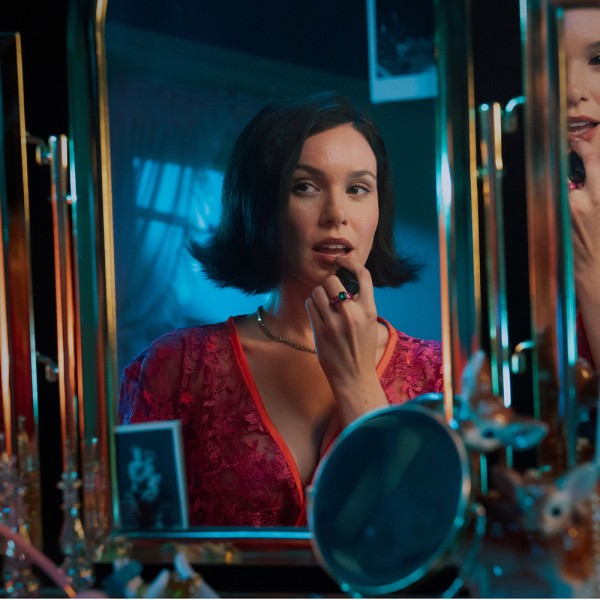
For anyone expecting a mature exploration of polyamory and non-conforming relationships, this film isn’t for you. For those wanting to laugh out loud, physically cringe, and immerse yourself in a tense, fast-paced comedy-drama testing what happens when a rocky marriage brushes up against the hot, atypical love between two eccentrics still in the throes of their honeymoon phase, then please go see The Invite.

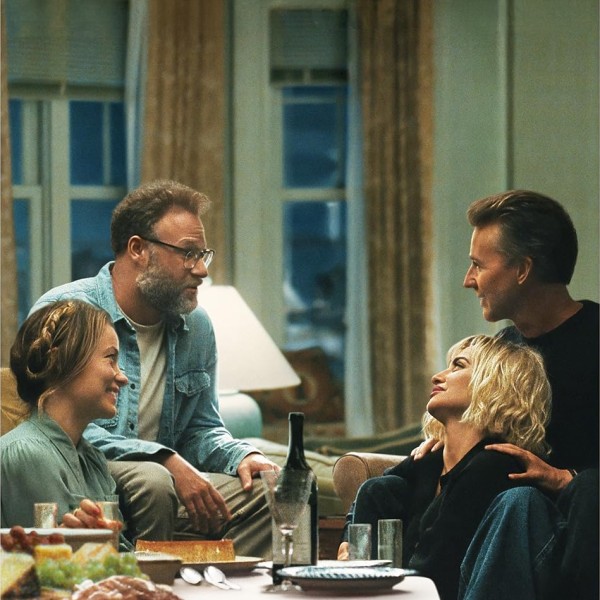
Directed by Olivia Wilde, a decidedly unhappy married couple Angela (Wilde) and Joe (Seth Rogan) invite their upstairs neighbours Piña (Penélope Cruz) and Hawk (Edward Norton) to a dinner party. Destined from the start to be doomed, the evening doesn’t unfurl; it spirals, explodes, collapses, and drags itself exhausted to bed.  

Angela and Joe embody all the tropes of a marriage on thin ice (nit-picking, passive aggressiveness, complacency, blame) while Piña and Hawk flaunt their passion with loud banging and growling through the ceiling every night and lots of heavy petting on the sofa after dessert.

Cruz, as usual, is an onscreen magnetic force. Norton pulls off his moderately sleazy character effortlessly. Wilde is so tightly wound and anxious it makes you hold your breath. Rogan truly comes into his own in his spectacular performance of the down-and-out music teacher who was once in a rock ‘n’ roll band, undercutting the evening’s proliferating absurdities with incredulous one-liners that let a breeze into the claustrophobic atmosphere.

A four-piece chamber comedy, the simple premise makes for a film filled with dialogue, taking place in the intimacy of a few rooms in Joe and Angela’s recently renovated apartment. Nothing tells you that the audience is gripped more than hooting and hollering from somewhere out back of the theatre. The sharp command of tension had the audience at the film’s mercy, cleverly building and releasing in all the right moments. Pair this with the fact that everyone who has ever been in a relationship is most likely witnessing aspects of their own foibles on the big screen, and I imagine viewers come away feeling very seen – or rather – exposed.

I didn’t love the ending; it tied too neat a bow around the evening. At the same time, endings are hard and it’s difficult to know where to finish…

NOVA | Regional News

NOVA

Written by: Tim Corballis

Te Herenga Waka University Press

Reviewed by: Kerry Lee

From New Zealand author Tim Corballis comes this new novel NOVA, which explores issues we do not normally see in science fiction.

Set on a self-contained spaceship named Nova that is hurtling away from Earth and on its way to a new home on the star Telos, the novel explores the lives of the ship's inhabitants and the AI running everything, System. Nova is a generational ship, and the entire trip to their new home will take 60,000 years. This means that several generations will be born and die before they ever reach Telos. In NOVA, it’s been 300 years since the ship left Earth, and its inhabitants have completely lost touch with their original home’s roots.

Unlike other science fiction novels that see AI systems running amok or taking over the world, NOVA’s AI wants to understand the humans around it and struggles to do so at times.

A lot of novels treat supercomputers or AI as just machines, but System feels genuinely alive and, if I did not know any better, just as flesh-and-blood as the other characters. In fact, System became my favourite character. Its conversations with Kalla, a human with her own problems, make up the bulk of the story as they talk about topics and themes ranging from consciousness to the human condition.

While the other human characters are interesting and well written, it was Corballis’ rendering of System that made me think as no other science fiction novel has before.

Be warned: this is not Star Trek or Star Wars. NOVA will make you think about things you do not normally associate with science fiction, and that may put younger readers off. I believe it’s a novel for the more mature reader out there. I may have been in the Star Wars camp when I picked it up, but I stuck with NOVA and found it a fantastic read. 

Becoming an Anecdote | Regional News

Becoming an Anecdote

Written by: Mitchell Botting

Directed by: Mitchell Botting

BATS Theatre, 4th Aug 2026

Reviewed by: Numi Stössner

On entering the Dome in BATS Theatre, I immediately notice dozens of typed paper sheets hanging from the ceiling. They remind me of memories scattered throughout the mind. This first impression proves to be right, as the performance I am about to witness is, in short, a meditation on remembrance. It is my first time watching a solo performance and I’m not sure my attention will hold over 90 minutes with one actor alone. But how wrong I was.

Becoming an Anecdote is writer and director Mitchell Botting’s attempt to tell the tragic story of the death of his lost love. The second-person play is a recollection of Mitchell’s own memories spanning decades, navigating the complex relationship between himself (performed by Stevie Hancox-Monk) and “you”. Through time jumps between 2006, 2015, and 2024, Mitchell revisits selected moments before, during, and after “your” death, allowing the viewer to witness a defining period of his life. Next to these personal flashbacks, the performance also lets the viewer question the reliability of the narrator by showing how memories are shaped by humans and distorted by time.

This play manages to be as entertaining as it is heartbreaking. The reenactment of past conversations is supported by quotes projected on the wall, light effects, music, and interactive recorded voices. Hancox-Monk perfectly portrays the conflicting emotions connected to an impossible situation, captivating the awestruck audience until the end.

I leave full of questions and lingering thoughts, and I think that is exactly how I am meant to feel. All in all, this “fabricated memoir” is a brilliant interplay of heartfelt script and outstanding acting, showcasing the complexities of love, grief, and guilt. It is a beautiful homage to a long-lost love and also a reminder of the rippling effects of death on the ones left behind. This was a truly moving experience that I will not forget any time soon. If you have the chance to see it, don’t hesitate!

Geriatric Drift | Regional News

Geriatric Drift

Presented by: PopRox

Directed by: Nina Hogg and Mo Munn

BATS Theatre, 31st Jul 2026

Reviewed by: Zac Fitzgibbon

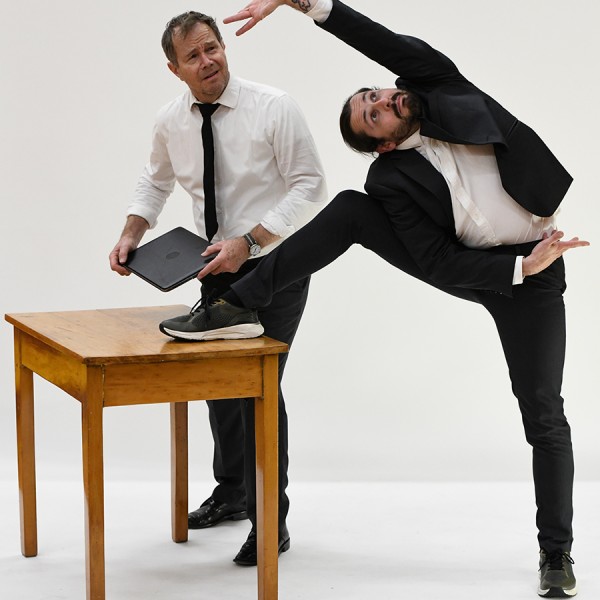
Being greeted by Shrewsbury-loving pensioners with a speedometer projected in the background (projection design by Nina Hogg) really sets the tone of Geriatric Drift. What follows is a story about four retirees on a journey to Northern Poland to obtain $20 socks, a rare and coveted item, for one of their great-great-great granddaughters.

Geriatric Drift is a parody of the global smash-hit franchise Fast & Furious, which, after 12 films, doesn’t seem to stop giving. What sets this show apart from these racer films is that this crew has lived long enough to be up to their 80th sequel.

The show is completely improvised, with the cast asking for audience prompts to shape the story early on. All six performers – Hogg as The Rock, Dylan Hutton as Dominic Torretto, Tara McEntee as Letti, Jed Davies as Vince, Isaac Thomas as Paul Walker and others, and Austin Harrison as an additional character called Dmitri – have mastered the craft of improvisation. This results in a performance so cohesive, it feels like you genuinely are watching (yet another) Fast & Furious sequel.

Adding to the illusion that these characters are well beyond their ruby anniversary, ageing stage makeup (largely by Hogg) and costumes (individually sourced) truly transform the young cast into old-timers crossing the ocean to find socks.

Whilst these geriatrics are far from their rest home, they certainly know how to take the spotlight. The lighting design (Hogg) helps keep the focus on the characters, further immersing us in the comedy and highlighting the wild narrative. The design allows us to use our imagination to figure out all the crazy settings we’ve been transported to.

Geriatric Drift features hilarious improvisation that is sure to get you off your rocking chair. Watch out: things can get too fast, 2 Old, 2 Furious with quips that will make your false teeth fall out and a story that gets more chaotic and unhinged as it goes along. Here’s hoping these senior citizens hobble back to BATS ASAP.

Local Library | Regional News

Local Library

Written by: Dave Armstrong

Directed by: Conrad Newport

Circa Theatre, 25th Jul 2026

Reviewed by: Tanya Piejus

Dave Armstrong aptly describes his new comedy as a “love letter to readers, writers, and librarians” and has used a real story about his sister-in-law’s elderly neighbour as the launchpad for his narrative.

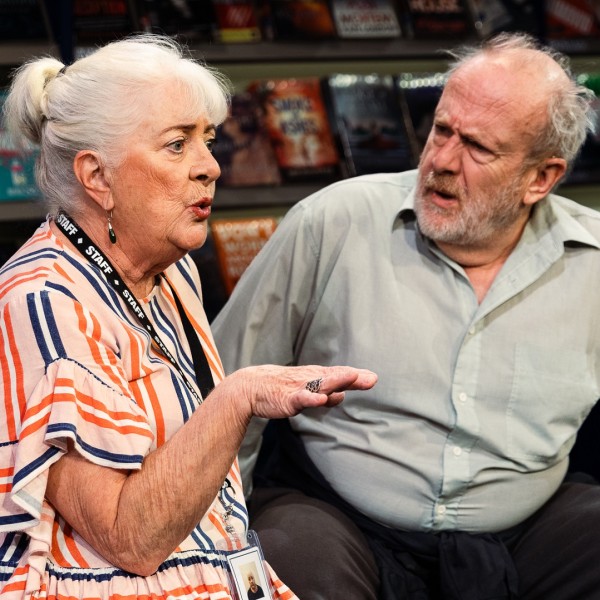
Local Library begins with conservative Boomer Paul Homewood (Peter Hambleton) having his book-borrowing rights suspended for hiding magazines to avoid paying the modest rental fee by stern senior librarian and social justice warrior Helen Nielsen (Jude Gibson). Initially poles apart in temperament, politics, and approach to life, over the course of Paul’s regular visits to the library, their battle of wills gradually thaws to an entente cordiale. They are united by literature and loneliness, discovering they have more in common than they would ever have thought.

Hambleton and Gibson are a charming pairing with great chemistry. Hambleton’s old-man shuffle and wonky tie (costume design by Sheila Horton) are a visual delight, while his butchering of “terrio Mowri”, stubborn northern English accent, and ridiculously anti-woke posturing are deliciously cringe-inducing. Gibson’s staunch librarian of 40 years’ standing, struggling not to be ousted from the best thing in her life, is believably vulnerable beneath her tough shell. They spark off each other beautifully and carry the 90-minute duologue with the panache of the seasoned pros they are. Conrad Newport’s delicate direction never gets in their way.

William Smith (lighting, set) and Azarael Ballard (sound) of Tungsten Projects Ltd have taken great care with the technical design. Their realistic setting has a suitably institutional feel with its community notices, stand of graphic novels, and neatly Dewey Decimalled books. The lights in the rows of shelves and above the issues desk creatively change the mood during scene transitions, accompanied by lively and suitably chosen music that bookends each chapter. The barking of Paul’s ever-changing company of dogs even comes from the right place behind the library entrance; attention to detail that will delight theatre nerds.

Witty and current with a deeper vein of meaning below the laughs, Local Library is bibliophilic bliss for anyone who loves a heartwarming story.

Mar Musa | Regional News

Mar Musa

(M)

97 minutes

(4 out of 5)

Reviewed by: Isabella Smith

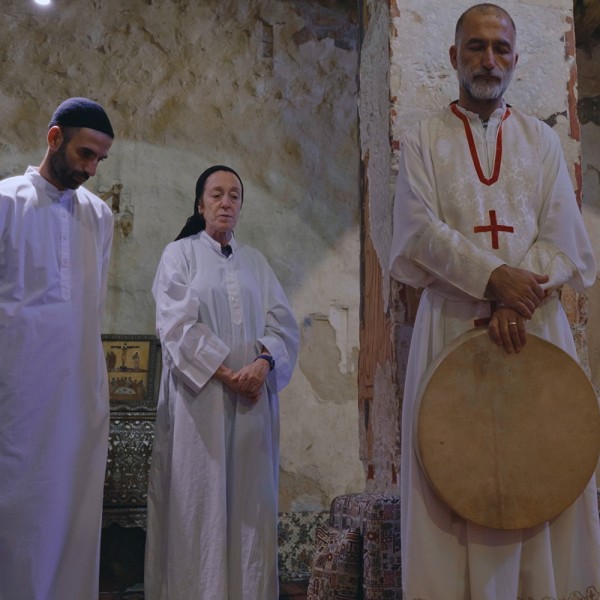
Mar Musa opens with the pastel colours of dawn sweeping across a vast desert landscape. Built into the side of a rugged, treeless mountain, the ancient monastery Deir Mar Musa al-Habashi looks more like a citadel, camouflaged save for the architectural straight lines that give it away.

The monastery’s history is deeply tied to the economic, political, and social fate of Syria, beginning in the 4th century. Mar Musa, directed by Shahab Kermani, follows the monks and nuns living in the monastery through intimate, observational storytelling as they navigate post-war devastation in Syria. The monastery’s key tenets are to practice and promote interfaith dialogue between Christians and Muslims, provide radical hospitality to all faiths, and close the distance between the two religious groups to move towards a more peaceful and mutual life.

We see the community sharing meals together with visitors of both faiths, smiling and laughing as they discuss profound theological questions and the horrors of war. Their faith is resolute, and love and understanding is at the heart of the gatherings. This is despite the grave personal losses and trauma experienced by everyone. Including the abduction of community founder Father Paolo Dall’Oglio by ISIL and the destruction of the 1,500 year old Mar Elian monastery in a nearby town.

The cinematography is spectacular, cutting between landscape, daily life, and interviews. Inside the monastery we get an intimate portrait of prayer and contemplation against the backdrop of Byzantine iconography, lit up by votive candles and columns of light coming through small openings near the ceiling.

The community visit nearby towns completely ravaged by war. The footage of street after street lined with rubble was some of the most shocking scenes of destruction I’ve ever seen – made all the more profound in the strength of the people that have chosen to remain.

The documentary is slow and meditative with a hypnotic score that won Best International Sound award at the Doc Edge Festival. I could’ve happily just watched the weather change on the desert below and listened to the monks, nuns, and visitors as they chatted over shared meals. Their lives are centred around healing the deep fractures within the country. The message of unity was poignant, and as the credits rolled, I could only wonder what the future holds for the place.

Watching Television in a Love Motel | Regional News

Watching Television in a Love Motel

Written by: Haro Lee

Te Herenga Waka University Press

Reviewed by: Margaret Austin

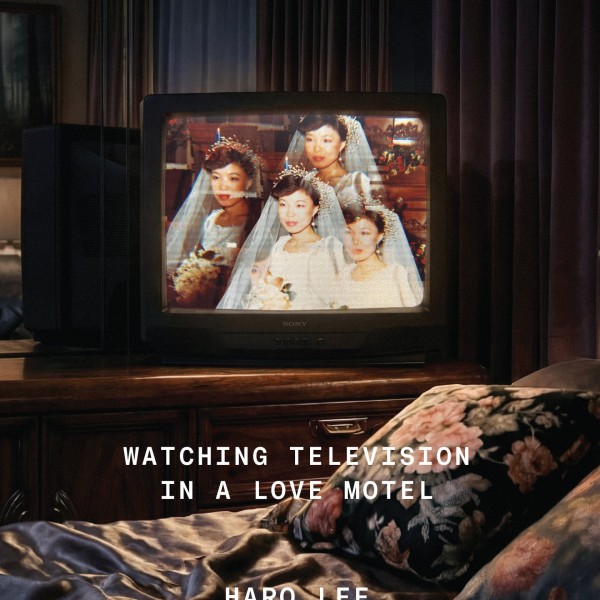
The title of this first collection by Haro Lee is provocative – redolent as it is of short stays, hurriedness, and possibly secrecy. When these are backgrounded by the activity of watching television, we get poems that sing, shout, celebrate, and rebel: all the elements of troubled tempestuous youth. Haro Lee may be troubled, but her experiences also cause her to confront herself with astonishing honesty. And it’s this that makes her work so compelling.

The section Daytime Television starts us off. How to Refill a Disposable BIC Lighter has the writer and a friend holed up with cocaine and companionship. “For five short days / we’re adrift on something so / magical. It’s a girls’ world / in this filthy apartment.” Laughter, grief, and confession abound, and the writer is left with the eponymous lighter as a precious souvenir.

We progress to Primetime Television. If I wasn’t primed already, From These Gutters, My Mother would shock me with its graphic images. We read of a “Botticelli belly” and “This mistake she makes / with the father, the one / who enters growing girls / without clumsy” and what the baby after arriving is subjected to.

I really enjoyed Needing Religion at Nineteen. Our writer admits to her dissatisfaction at being born in the Year of the Rat – that is until she sees an exhibition of Banksy’s rat series and what he has to say about it. “OK, I’ll take that for why I’m here then”, she declares. Self-doubt and longing for assurances – not least of an afterlife – predominate. Once again, frankness is paramount and appealing. “So when it’s my time to go / I can say that I tried.”

Graveyard Slot is a lengthy narrative recounting Lee’s life in a small neighbourhood in Seoul, capital of South Korea and home to her beloved grandmother. Detailed, graphic, and touchingly nostalgic – if ever there was material for a TV documentary, this is it!

The Lives of My Father | Regional News

The Lives of My Father

(M)

87 Minutes

(4 out of 5)

Reviewed by: Isabella Smith

With my dates all mixed up I arrived at The Roxy cinema precisely one week early for a Doc Edge Festival documentary. Thankfully, The Lives of My Father was about to start, which made arriving 168 hours early completely worth it.

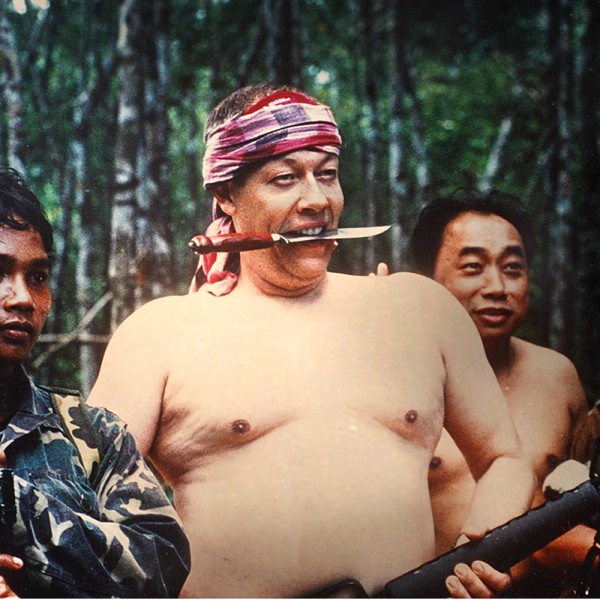
Directed by Magnus Skatvold, The Lives of My Father tells a story of espionage, lies, propaganda, and the uncovering of a father’s extraordinary double life. Didrik Hallstrøm was always told his ever-absent father Bjørn was a journalist who visited war-torn lands to get on-the-ground news. After recovering video tapes boxed up in the attic, he discovers that his father worked for the CIA, having been recruited by the agency after generating successful anti-Russian slogans when he worked in advertising.

The extraordinary footage reveals the escapades of a truly singular man whose life could come straight out of a Cold War spy novel. We see Bjørn firing AK-47s in the Kuwaiti desert and infiltrating cocaine laboratories in Colombia. We see him in the jungle in Cambodia and caught in crossfires on the frontline of the Bosnian war.

Instead of glamourising Bjørn’s escapades like a Hollywood blockbuster would, The Lives of My Father turns the lens toward the shadowy side of a double life. Bjørn is unwell and nearing the end of his life. For the first time, Didrik confronts his father about his past through a series of interviews. Bjørn is larger than life, charismatic, obstinate, and good-humoured, chain smoking his way through the interviews, only ever stopping briefly to puff on his inhaler.

Accounts from Bjørn’s ex-wife, friends, and colleagues reveal the effects of his work: a son who grew up without a father, a wife who raised her children alone, and colleagues who had no idea that the journalism was a cover for something much more dangerous and covert.

Over the course of the documentary the lines blur between propaganda, journalism, and espionage. We are confronted by the global meddling of the CIA, the lengths a man is willing to go to complete his missions, and the reality of living life as a spy.  

A truly thought-provoking and captivating documentary, there are no heroes and no villains. Instead, there are complicated people reckoning with their pasts in the hopes to move on.

Accidental Death of an Anarchist | Regional News

Accidental Death of an Anarchist

Written by: Dario Fo and Franca Rame  

Directed by: Joy Hellyer and Paul Kay

Cochran Hall, 18th Jul 2026

Reviewed by: Stanford Reynolds

Tom Basden’s adaptation of Accidental Death of an Anarchist brings Dario Fo and Franca Rame’s 1970 political farce into a contemporary setting, retaining its sharp satire of institutional incompetence while updating many of its references. Directed by Joy Hellyer and Paul Kay, KAT Theatre’s production embraces the play’s chaotic energy, finding plenty of laughs while leaving room to push its farcical style even further.

James Kiesel is at the heart of the production as the Maniac, effortlessly transforming between personas as he manipulates those around him. From greeting audience members before the show wearing a white wig and pearls and claiming to be KAT president Margaret Robertson, to later shifting character to become a judge and a forensic expert, Kiesel demonstrates impressive physical agility, confidently commanding the stage with energetic movement. His performance captures the trickster spirit of the role, although there are moments where greater delight in deceiving his victims and more direct engagement with the audience could heighten the sense of gleeful anarchy.

The cast work well together, particularly in the scenes where the increasingly bewildered police officers (Kevin Hastings, Sadie McLoughlin, Chris O’Grady, and Gino Moretto) compound the confusion through their own ineptitude. These sequences are well blocked, ensuring the action remains clear despite the escalating chaos. At times punchlines can arrive a little too quickly, and some visual gags and physical comedy could be given more space to land; however, the production does well to find humour without becoming a pantomime. The cast’s commitment to the absurdity and deadpan delivery of punchlines make for a hilarious production, with use of varied accents adding another layer of comedy.

Basden’s adaptation loses some of the political focus and narrative purpose of the original, with the Maniac’s actions feeling like mischief for its own sake rather than a determined attempt to expose corruption. Nevertheless, the play’s themes remain surprisingly relevant. Its satire of policing, bureaucracy, and institutional failure resonate beyond its British setting.

KAT Theatre delivers an entertaining production, ultimately leaving audiences pondering its central question: who is truly the maniac? The man exposing the absurdity of the system, or those who unquestioningly accept it?

Party Boy | Regional News

Party Boy

Written by: Breton Dukes

Te Herenga Waka University Press

Reviewed by: Tineke Buser

Breton Dukes’ breakthrough novel, Party Boy, delves into the harrowing effects of toxic masculinity and its inclination for self-destruction. Rather than offering a sympathetic antihero or a straightforward villain, Dukes presents a man trapped between a bleak present and an even bleaker past.

On the verge of turning 50, Marco faces his midlife crisis with the emotional maturity of a volatile teenager. Bitter, sexually frustrated, and clinging to the faded glory of his youth and masculinity, he turns to alcohol and pharmaceuticals to numb his mounting inadequacies. As his high-school years resurface to haunt him, Marco must decide whether to take responsibility for his prior actions as a school bully, or to drown them in substances.

Amid the turmoil of his youth, his adult life has been put on the back burner. Unable to uphold the responsibilities of a part-time job and fumbling as the stay-at-home dad, Marco’s desperation to be seen as the stoic male stands in constant conflict with the realities of his shortcomings. In the place of reason, addiction becomes his “burning ray of confidence” – one that slowly sets fire to his world.

This downward spiral becomes the perfect vehicle for exploring the pressures of traditional masculinity and the damage it inflicts. Throughout the novel, Dukes examines the extent to which men internalise rigid gender expectations and the consequences of treating vulnerabilities as weaknesses.

We see this further emphasised through the pulsing, intrusive nature of Marco’s insecurities and thoughts. Combining short, staccato lines with a polished, stream-of-consciousness style, Dukes jerks the reader deep into the psyche of a man who is balancing everything and nothing.

Its frantic rhythm mirrors the raw desire to fix the irreparable; to watch, hopelessly, as your ego goes cold in your hands. As unsettling as it is compelling, Party Boy is the type of book that lingers. Not because it comforts, but because it refuses to look away.

InBetween Nowhere and Everything  | Regional News

InBetween Nowhere and Everything 

Presented by: In The Mo’ Theatre Co

Written by: Nathaniel Smith

Directed by: Nathaniel Smith

BATS Theatre, 7th Jul 2026

Reviewed by: Numi Stössner

InBetween Nowhere and Everything was advertised as a story about cowboys in space, and as I enter BATS Theatre, I am more than ready to leave this rainy evening behind and escape into the cosmos. My first impression of the set (Jamie Sayers) is that of a makeshift spaceship: a simple table, a bed, and a cowboy poster attached to the wall. A mysterious girl (Míren Welsh Ahipene Duffin) enters in a ghost-like fashion, moving nostalgically through the room before playing a song on an old tape recorder (sound design by Tim Johnston). This is the last moment of peace the audience experiences for quite some time.

The stillness is shattered as three figures burst onto the stage in a dramatic escape: a lover (Alex Quinn), a killer (Zoe Harris), and a nobody (Simon Ulm) seek refuge in the ship as they flee from combat. Coming from different planets, they are now stuck with one another in a small spaceship, seemingly lost in the middle of nowhere. For the next hour, the audience is able to intimately experience the transformation each of them undergoes in the face of impending death.

Sharing the same cramped room, food rations, and even a makeshift litterbox, it comes as no surprise that the unlikely comrades slowly start to reveal their darkest secrets. Time is only measured by their dwindling rations. From guitar songs that evoke cowboys gathered around a bonfire, to a romantic dance of longing and some spontaneous poetry, the play evolves on many different levels, always keeping it interesting. Supported by the ghost woman, who haunts them into reliving their memories, three broken people embark on a last effort to fix themselves before it is too late.

For much of the play, there seems to be a lot of screaming, and some of the dialogue is difficult to follow due to thick accents and loud background sounds. Yet by the end, one thing is eerily clear:  the characters share far more than they ever imagined.

Modern Whore | Regional News

Modern Whore

(R16)

80 minutes

(3 out of 5)

Reviewed by: Isabella Smith

Modern Whore is a hybrid film based on a memoir of the same name by Andrea Werhun. It blends documentary with fiction, featuring reenactments, testimonials, animations, and archival footage in a fast-paced and spirited reimagining of Werhun’s life as a sex worker. She teamed up with director Nicole Bazuin for the documentary, where she explores agency, labour, intimacy, and identity, telling stories about the behaviours of clients, the owners of her escort agency, and the unique growing pains of learning on the job.

The documentary is subversive. It takes the typically bleak genre of sex work films, grabs the microphone, and displays the real life of a sex worker straight from the horse’s mouth. The film includes conversations between Werhun and fellow sex workers, who discuss their experiences of sex work through the lens of race, gender diversity, and neurodivergence – though only ever in short cameos. It also includes conversations between Werhun and her mother, and with her long-term partner – both of whom are incredibly supporting of her.

It’s upbeat, it’s colourful. It deals with the darker side of sex work without making it the whole side. While it empowers and gives agency to sex workers who often don’t get to tell their own stories, I couldn’t help but feel some moments are self-indulgent. It makes sweeping statements about sex work based on Werhun’s very specific experience, while at the same time barely reaching below the surface. The over-dramatisation is often jarring and slapstick, and while it covers a lot of themes, it sometimes reads like the diary of a teenager. Then again, without her unreserved confidence, a film with total agency like this one would never get made.

All that being said, I appreciate that Modern Whore is radical and important. Sex workers are often portrayed only as victim or villain, and here is a film featuring a three-dimensional and uncategorisable woman who is both empowered and embodied. In Canada sex work is not legal, making it a critical film about labour rights. Here in Aotearoa, it will challenge the biases of some of its more prudish and discriminatory audiences. Ultimately, I was engaged throughout and I would encourage people to head along and check it out. It will be screening as part of the Doc Edge Film Festival at the Roxy Cinema on Saturday the 25th of July. 

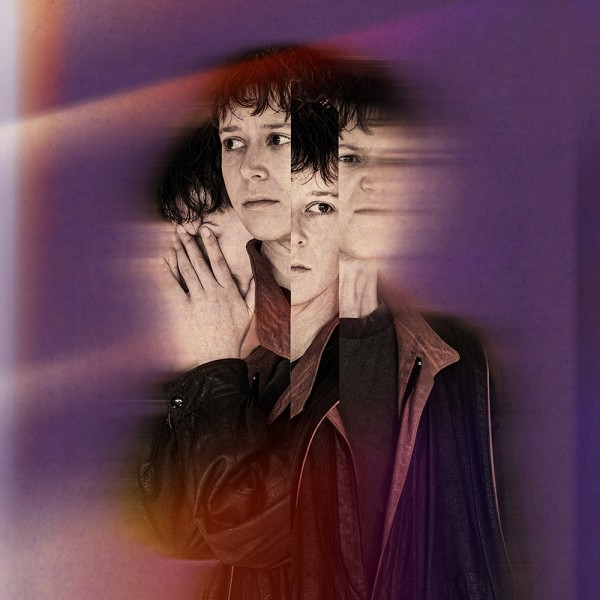
The Veils: Fragile World Tour 2026 | Regional News

The Veils: Fragile World Tour 2026

Meow Nui, 4th Jul 2026

Reviewed by: Graeme King

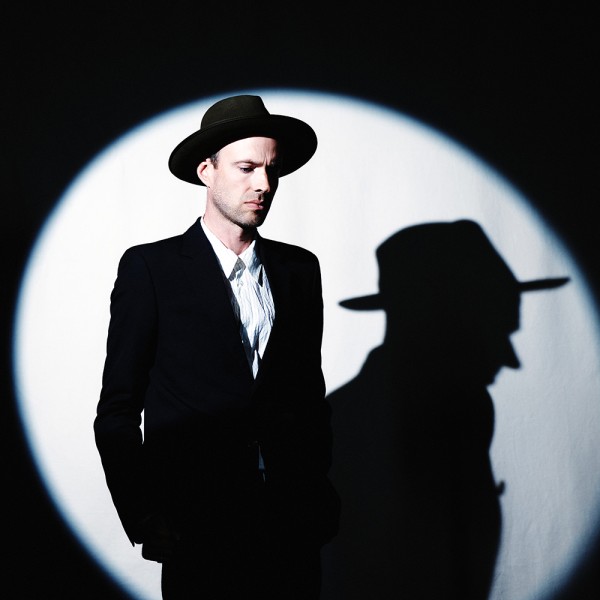
Released last month, the Fragile World album has been described as “capturing The Veils in an urgent and instinctive mode”, and is their eighth studio album in 22 years. The Veils is less of a traditional band and more leader and songwriter Finn Andrews (vocals, keys, guitar, bass) enlisting an assortment of top New Zealand musicians on rotation. This 10-date New Zealand tour has the full band for the first six shows and finishes with Andrew’s four solo performances.

For such a talented songwriter, in concert Andrews was a man of so few words, he didn’t even introduce the band members by name! Changing instruments fluidly but efficiently, almost with each song, Tom Healy (guitar, bass, backing vocals), Dan Raishbrook (guitar, pedal steel guitar, bass), Dave Khan (violin, guitar, keys, percussion, backing vocals), and Joe McCallum (drums, percussion) took versatility to a whole new level.

The first song Aurora from the new album, featuring Andrews’ plaintive vocals and gorgeous piano, set anticipation levels high amongst the devoted audience. The start of Are You Awake Tonight?, also from the new album and featuring Andrews’ powerful vocals, had shades of Springsteen’s Thunder Road. On Swimming with the Crocodiles, featuring McCallum’s solid drum groove, Andrews switched to electric guitar. Khan’s eerie violin intro on Not Yet led into an almost hypnotic guitar-driven funk rhythm. The piano intro for The Dream Of Life was poignant, and Andrews described My Foolish Heart as his attempt at a country song! No Limit of Stars, featuring Khan’s gorgeous violin, had the crowd entranced and the hairs standing up on the back of my neck. Stunning. The set finished with crowd favourites Low Lays the Devil and Jesus For The Jugular, but we didn’t want the show to end.

To rapturous applause, Andrews came back on stage and, prior to The Tide That Left and Never Came Back, said he lived in Wellington, a city he loves, for a little while last year and had a lovely time... “Maranui Cafe – very nice!” Kahn then joined him on violin for the climactic last track Axolotl. Their Wellington fans love The Veils too – hopefully they’ll be back here soon.

La Mer | Regional News

La Mer

Presented by: the NZSO National Youth Orchestra

Conducted by: Dane Lam

Michael Fowler Centre, 3rd Jul 2026

Reviewed by: Tamsin Evans

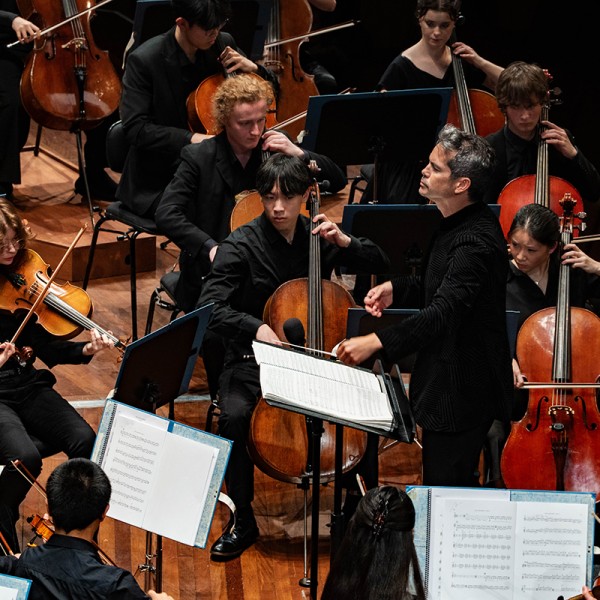
Conductor Dane Lam, visiting from Hawaii, welcomed the audience and summed up the 2026 New Zealand Symphony Orchestra (NZSO) National Youth Orchestra (NYO) as “the jewel in the artistic crown of New Zealand” and “the future of music making”. Of course, he was right.

This was a programme conceived around big themes of the sea and voyaging. In Pray for the wanderer by the 2026 NYO composer-in-residence Jack Bewley, a bold, confident timpani and trumpet opening was followed by assured and beautifully sustained cello and violin from the section leads. With lots of contrast, repeating themes, and complex rhythms, this was not an easy piece, but the orchestra handled it expertly, bringing to the fore Lam’s vision for music making in New Zealand.

Benjamin Britten’s Four Sea Interludes opened with violins and flutes, superbly balanced by the musicians. The quality of the tone in the strings was exceptional all evening. A strong brass section and timpani built impressive final phases as the cold North Sea storm finally blew itself out.

From Britten’s North Sea we travelled to the Pacific Ocean. Michael-Thomas Foumai’s Kealaikahiki Suite celebrates the 1976 voyage of the double-hulled wa’a Hōkūle’a from Hawaii to Tahiti that revived ancient, non-instrument navigation. The huge ending of the piece reflects the enormous energy the voyage injected into a cultural revitalisation across the Pacific.

Familiar and well loved, Claude Debussy’s La Mer gave the orchestra opportunity to show their mettle. Maturity, confidence, skill, and musicianship were all on display. The strings and woodwind captured the bright sound of light on water. Crisp, alert ensemble playing gave life to the energy and playfulness of the waves. Brass and percussion drove us to an exciting conclusion.

Although many in the audience were family, whānau, and friends, the musicians absolutely earned their enthusiastic response and confirmed the 2026 NZSO National Youth Orchestra is part of the future of music making in Aotearoa.

Hay Fever | Regional News

Hay Fever

Written by: Noël Coward

Directed by: Susannah Donovan

Gryphon Theatre, 2nd Jul 2026

Reviewed by: Tanya Piejus

Premiered in 1925, Noël Coward’s classic comedy Hay Fever is an apt choice to help celebrate the centenary of Wellington Repertory Theatre, the city’s oldest community-based troupe. Coward’s wit and talent for exposing human flaws are timeless and this is an entertaining way to warm up a dark winter’s night.

The eccentric Bliss family are “artificial to the point of lunacy”. Matriarch and retired actress Judith (Ruth Corkill) and her novelist husband David (Paul Stone) waft about their country house while their offspring Sorel (Keira Hikuroa) and Simon (Alex Davey) bicker in the way that only rich people with too much time on their hands can. Into this bohemian disorder come Judith’s adoring young fan Sandy (Solomon Archer), Simon’s vampish friend Myra (Nethmi Karunanayake), young diplomat Richard (Jimmy Sutcliffe), and shy flapper Jackie (Pippa McAnergney), each invited by one of the family members without consulting the others. The weekend from Hell ensues.

Corkill is wonderfully melodramatic, using Judith’s age, beauty, and gift for the absurd to torment family and guests alike. Each word is beautifully enunciated and her delivery of the immortal line, “That. Is. Not. An. Adverb.” is sublime. Stone is delightfully ditsy and Karunanayake is a welcome return to the stage. A somewhat underused Sutcliffe also provides excellent support. Ninth cast member Sara Schroder as housekeeper Clara is blessed with a role that allows her to disdain all that is happening around her. Director Susannah Donovan’s choice to use her to fill the gap between the second and third acts when everyone else is frantically changing costume is inspired.

The necessarily minimalist set (Donovan and Vince Jennings) – it’s shared next week with a production for children – somewhat lacks the lushness expected of the mansion setting. Drapes at the long set of bare windows would have easily added a sense of wealth.

You can’t beat Coward for a fun night out, so get along and support Wellington’s longest-standing community theatre as it celebrates its 100th birthday.

Salt Quilt | Regional News

Salt Quilt

Written by: Airini Beautrais

Te Herenga Waka University Press

Reviewed by: Margaret Austin

Prospective readers will no doubt find Salt Quilt an intriguing title for a poetry collection. The book’s cover illustrates that such a bedspread actually exists! For writer Airini Beautrais, ‘salt’ and ‘quilt’ provide a useful analogy for life: past and present, harshness and softness are juxtaposed throughout these provocative poems, demonstrating the necessity for considering and accepting both.

Nostalgia works well in poetry as is illustrated in several of Beautrais’ verses. In Swingball, she celebrates typical activities and delights of the 70s: holiday homes for the kids, clean jokes, Monopoly, and the game of swingball, concluding with the philosophical observation about cooperation: “No one can play a thing like this single-handed”.

By far the most powerful poem is, if you’ll excuse the pun, An analysis of power. Our writer references some of the appalling hallmarks of today’s world: climate change, the care taken to manufacture and preserve expensive cars, “all the messages sent / from satellite and cellphone tower” – and exposes them with cliches such as “but there’s no seeing forests for trees / without an analysis of power”. The repetition of the eponymous “analysis of power” is salutary in impact.

Beautrais is still young enough to be able to voice a plea about old age in How I want to get old. The horrors of old age – its physical and mental decline, its backward looks, its seemingly careless lack of awareness – are all graphically outpoured. The poem nevertheless concludes with a plea for toughness, even tempestuousness.    

Cancer Moon: Poet Life consists of a 20-page musing on things astrological, mythical, poetical, and political. And more besides. We learn of our poet’s beginnings as a writer, and that she attributes them in part to her star sign. Sceptical as I am about such matters, I note that I am studying Beautrais’ work during the month of Cancer. Was that meant?

“‘Did you really write that poem?’ a boy asks me”, she writes. “Wow, cool”. Beautrais’ work is better than cool: it’s self-searching, reflective, salutary, and brave.

Te Wehi: I’m Home Tour | Regional News

Te Wehi: I’m Home Tour

St James Theatre, 26th Jun 2026

Reviewed by: Nikita 雅涵 Tu-Bryant

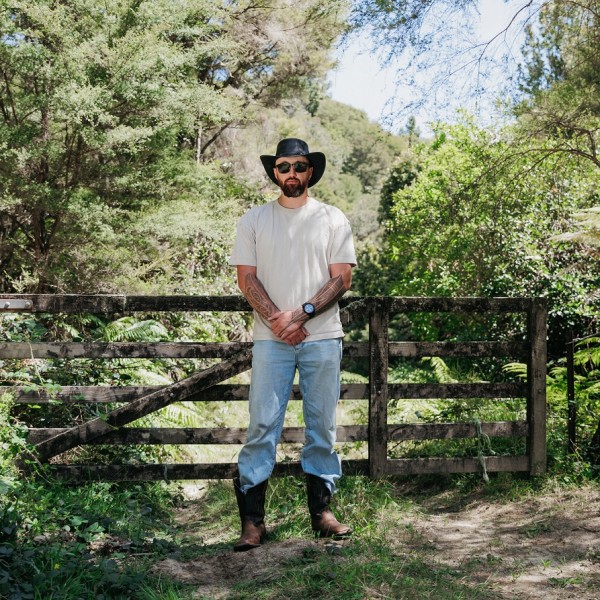
Liam Te Wehi (Te Whānau-ā-Apanui, Ngāti Porou, Ngāti Whātua, Te Whakatōhea), or Te Wehi because “Liam doesn’t sound as cool”, is the epitome of today’s open access to fame. Not that he was seeking it… A humble man, he thought he’d spend his days fencing. Singing covers on TikTok, he soon posted his own songs that went viral for their blend of reggae, soul, and country music. He’s now touring his chart-topping debut album I’m Home.

Friday night’s sold-out concert is during yet another weather warning for Wellington, but this doesn’t dampen the spirits of the sea of cowboy hats in attendance. I assumed the audience had been through the merch, but they’d all arrived wearing their own – Te Wehi’s fans out in full force. The iciness is thawed by Tāmaki Makaurau’s endearing The Western Guide, warming us up with American country music against a campfire backdrop. The crowd are lively, creating a welcoming yet electric atmosphere that is a joy to be amidst. 

Te Wehi and his band break into original track Mr Officer, and the live sound for this genre is on: mammoth reverb on the drums, a screaming audience that reaches the Gods, immediately up, seats forgotten. I’ve always preferred original music at shows rather than covers, but Te Wehi embedding crowd favourites into his setlist feels like an honest reflection of his journey here. In true Māori tikanga, he is here to serve the collective, not himself. He tips his hat with dedications, like to mothers with Mama Don’t Cry from I’m Home and later to Whakatāne legends Kora with Burning. 

With barely a breath in between songs, Te Wehi and band keep the crowd bopping. The lights and visuals are constant, amplifying the experience silhouetting the six, but I did enjoy the subtler moments allowing poignancy to settle. Most of the harmonies are prerecorded, so I’m pleased when the band harmonise with Te Wehi for a later number. Comprising Simione Petelo (guitar), Culistofa Petelo (drums), Doulos Atinae (keys), Nafu Tofilau (keys), and Elcid Tiai (bass), the band are flawless, with two wireless guitarists up front allowing for across-the-stage play. A highlight is the guitarist shredding upstage, haloed by a ring of smoke.

A quick encore is received well, concluding Te Wehi’s 90-minute high-vibe show. 

Money, Money, Money | Regional News

Money, Money, Money

Written by: Rachel Davies and Angela Meyer

Allen & Unwin

Reviewed by: Jo Lucre

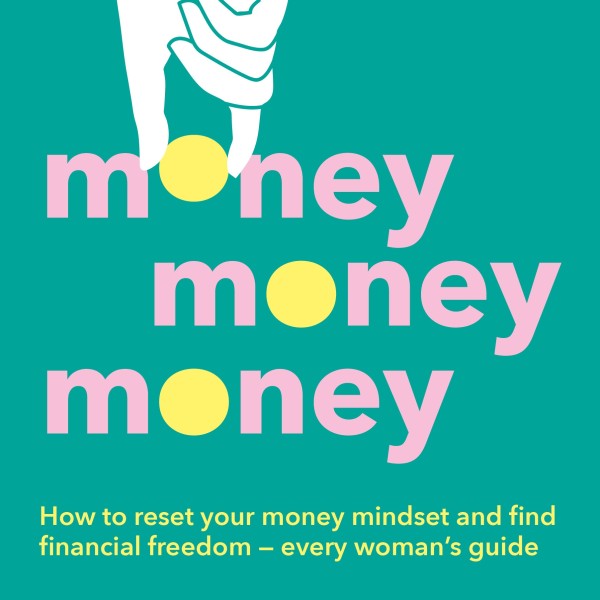
Money, Money, Money joins a long list of books that help you reset your money mindset. I found it stands out though, mainly because authors Rachel Davies and Angela Meyer are relatable. In Money, Money, Money, they share their relationships with money and experiences that show they understand what it is like to arrive at a particular destination in life without the whole money thing figured out. They explore what it was like reaching a milestone looking towards a future that would most certainly see them in the poverty trap that befalls many women in their later years.

Davies had reached the age of 48 with no KiwiSaver and hardly any savings.

For Meyer, her money was always wrapped up in much more than numbers – “it was also my worth, validity, hopes, dreams, and so much more,” she says.

In Money, Money, Money, the authors also share the stories of other women: their experiences with money, their relationships with it, and their beliefs – the good and the bad. As the creators of Hi Money, a business dedicated to educating and empowering women in financial matters, they’ve managed to really dig into all aspects of money and its complex nature while keeping things simple and straightforward.

There are checklists at the end of each chapter that help you literally ‘check’ yourself, giving you a helpful list to mentally tick off. The checklists aren’t just practical; they help you gain insight into your own unique money psychology, behaviour, journey, and experiences.

I particularly enjoyed the upper and lower limits chapter where Davies and Meyer talk about what your top and bottom limits are. What’s too little money for you? What numbers do you need to get down to before you start panicking? What’s the ideal number when it feels like enough? These questions really got me thinking deeply about my own numbers and what does and doesn’t feel comfortable.

Money, Money, Money doesn’t help you crunch numbers so much as it helps you understand your own motivations and money possibilities in a real and intentional way.

In The Best Interests | Regional News

In The Best Interests

Written by: John and Elisa Mendzela

Mendhurst

Reviewed by: Kerry Lee

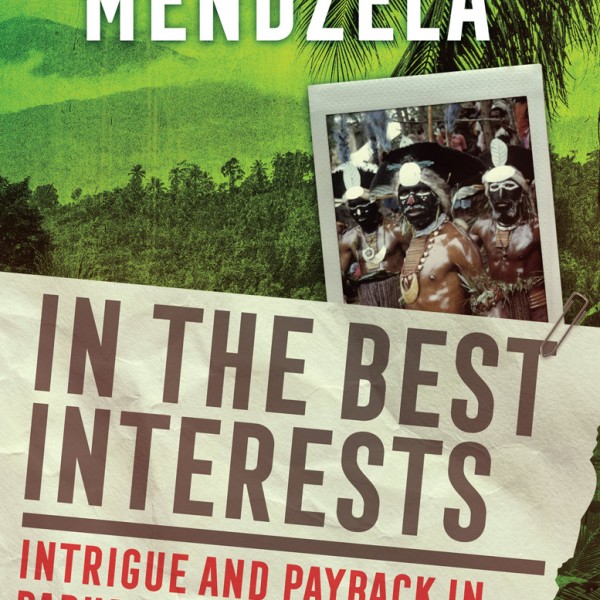
As husband and wife John and Elisa Mendzela discovered, sometimes truth can be far stranger and more dangerous than fiction. In the 1980s, the Western couple flew into Papua New Guinea to begin teaching at the Keravat College. Not long afterwards, they uncovered systematic corruption involving the sexual exploitation of Keravat’s students.

In The Best Interests: Intrigue and Payback in Papua New Guinea is a book I found hard to put down once I picked it up. The narrative non-fiction memoir had me shaking my head at the hurdles that both John and Elisa had to jump over to get someone to listen to them and act on their accusations.

John and Elisa take turns narrating the story. The shift in perspectives gives readers a full view of what is going on and fleshes out the dangers that both faced in order to tell their side of the story and to get Papua New Guinea authorities to act.

Both authors write extremely descriptively, painting a very realistic picture of what they were facing and how many roadblocks were put in their way. Neither of them shy away from describing the problems they encountered, the emotional toll that was taken, and the people who stood by them.

This was a novel that will stay with me for a long while. As someone living in a developed country, I cannot begin to fathom the problems developing nations faced roughly 30 years ago. In The Best Interests is one of those stories that you keep turning over and over in your head, simply because it is so difficult and terrible to comprehend how something like that could have been allowed to happen and why so many people would enable it.

Dedicated in part to ‘the Papua New Guineans of today who refuse to let the bad overwhelm the good’, I wholeheartedly recommend In the Best Interests to anyone who likes non-fiction mixed with a bit of intrigue. Easily my book of the year.